Aging Drivers - Assessment Program

🚘 Support for Older and Ageing Drivers
Professional assessment, guidance, and confidence‑building for drivers experiencing age‑related or medical changes.
Driving plays a vital role in maintaining independence, routine, and social connection. As we grow older, however, natural changes in cognition, eyesight, mobility, and reaction time can gradually affect driving ability. Medical conditions such as dementia, stroke, or neurological illness may also influence how safely someone can continue to drive.
My role is to provide professional, sensitive, and evidence‑based support to help older drivers — and their families — make informed, confident decisions about continued driving, driving reduction, or retirement from driving when appropriate.
This service is delivered with dignity, respect, and a clear understanding of the emotional impact that driving decisions can have.
🧠 How Age‑Related or Medical Changes Can Affect Driving
Ageing affects everyone differently, but certain patterns are common. Many older drivers begin to find:
-
busy junctions more demanding
-
multi‑tasking more difficult
-
complex road layouts overwhelming
-
spatial judgement less reliable
-
concentration harder to sustain
-
familiar routes unexpectedly confusing
-
scanning and mirror use reduced
These changes can be subtle at first. When a cognitive condition is present — diagnosed or not — these difficulties may develop more quickly and can significantly increase the risk of a collision.
Families are often the first to notice changes, and early guidance can prevent unsafe situations.
🛣️ Who This Service Is For
I support older drivers who may be:
-
losing confidence after many years of safe driving
-
recovering from a stroke or neurological event
-
living with early‑stage dementia or cognitive decline
-
managing long‑term medical conditions
-
experiencing changes in vision, mobility, or reaction time
-
unsure whether they should continue driving
-
encouraged by family or healthcare professionals to seek assessment
My approach is calm, structured, and grounded in specialist training, including:
-
Road Safety GB Ageing Driver Practitioner
-
DriveAbility Driving Assessor (East Anglian DriveAbility)
-
ROSPA Gold Advanced Driver
-
Training in dementia, cognitive impairment, and neurodiversity
📋 Legal and Medical Responsibilities
Drivers — and their families — should be aware of the following:
DVLA Notification
Any medical condition that may affect driving must be reported to DVLA. This includes cognitive impairment, even if no formal diagnosis has been made.
Insurance
Insurance providers should be informed of relevant medical conditions to ensure cover remains valid.
Medical Advice
If a doctor advises a driver to stop driving, this guidance must be followed. Fitness to drive is a medical judgement as much as a practical one.
Licence Validity
During DVLA medical enquiries, drivers may continue to drive under certain conditions (Section 88), provided they have medical support and DVLA has been notified.
🧭 Professional Driving Assessments
A driving assessment can provide clarity, reassurance, and practical guidance. It is particularly helpful when:
-
family members have concerns
-
the driver has experienced recent changes
-
there has been minor vehicle damage
-
the driver has become lost on familiar routes
-
a medical professional has recommended review
-
DVLA has requested an informal assessment report
Assessments are conducted sensitively and professionally, focusing on:
-
safety margins
-
spatial awareness
-
multi‑tasking ability
-
junction behaviour
-
lane discipline
-
mirror use and scanning
-
ability to self‑regulate
-
insight into risk
The aim is not to “test” the driver, but to understand their current ability and provide clear, constructive recommendations.
🗣️ Supporting Families Through Difficult Decisions
Discussing driving with a loved one can be emotionally challenging. Driving is closely linked to independence, identity, and confidence.
I help families by providing:
-
neutral, professional guidance
-
clear explanations of observed driving behaviours
-
advice on safe driving reduction
-
support in planning for eventual driving retirement
-
reassurance about alternative transport options
Early, open communication is key. Conversations are easier when they begin before safety becomes a serious concern.
🛑 When Driving May No Longer Be Safe
There are situations where continued driving presents a significant risk. These may include:
-
loss of insight into driving ability
-
rapid decline in cognitive function
-
unsafe decisions at junctions
-
difficulty maintaining lane position
-
frequent near‑misses or collisions
-
medical advice to stop driving
In these circumstances, a structured, compassionate approach helps protect the driver and other road users while preserving dignity and independence wherever possible.
📞 Professional, Confidential Support
If you have concerns about an older driver — whether yourself or a family member — I offer:
-
professional driving assessments
-
confidence‑building refresher sessions
-
post‑stroke or post‑illness support
-
guidance on DVLA medical processes
-
advice for families navigating difficult decisions
All discussions are confidential and handled with sensitivity.
📩 Get in Touch
If you would like to discuss your situation, arrange an assessment, or seek guidance, please contact me. I’m here to help you make informed, safe, and respectful decisions about driving in later life.
Question not answered here?
Get in touch now and ask me anything!
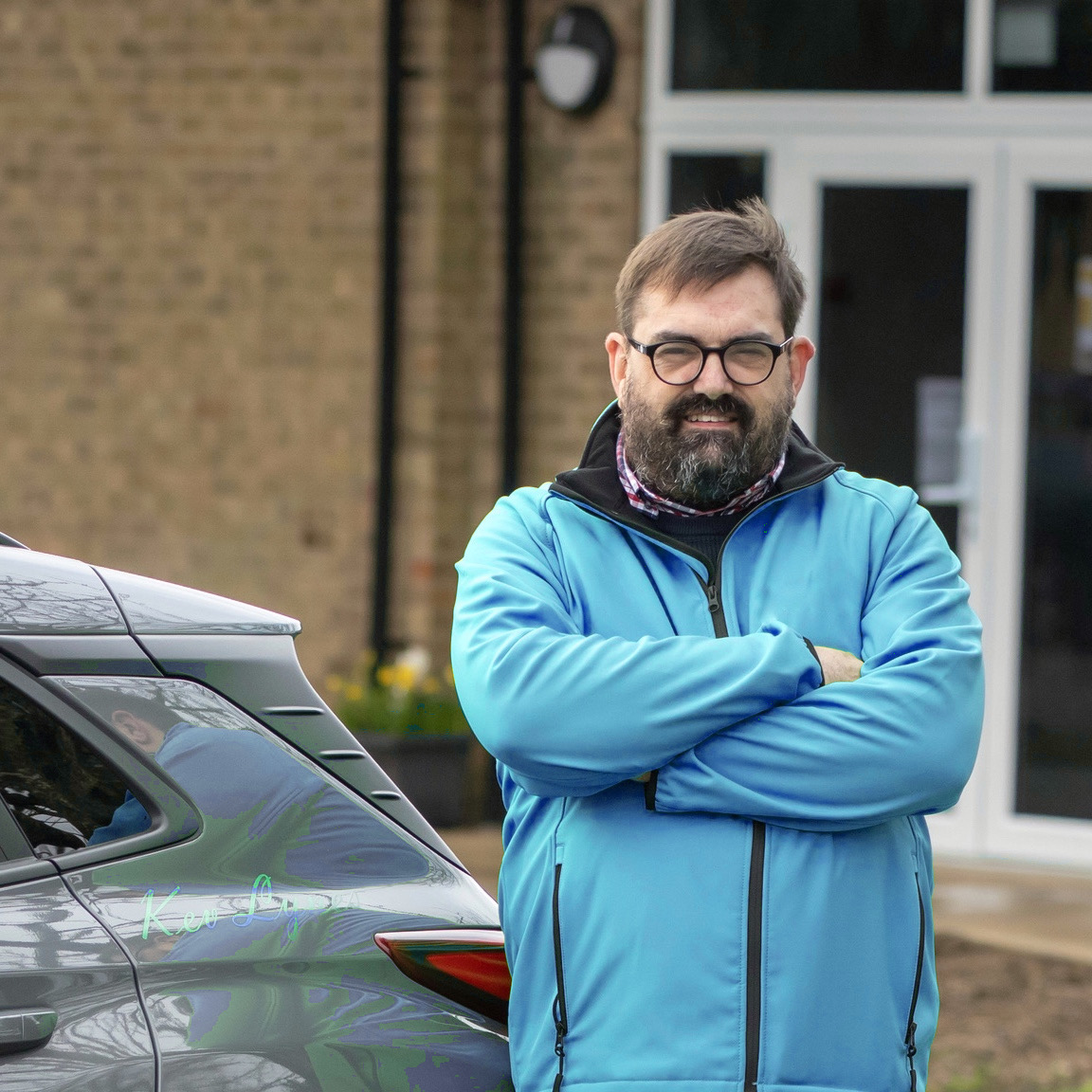
20 Years Of Experience in Driver Training
I started out my driver training career on London buses! I was a classroom based trainer and assessor before I become an instructor out on the road.
I have passed many driving tests in my career, including car (of course!), bus and lorries. I have also been lucky enough to have passed an advanced driving test and have several driving and teaching related qualifications.
My Mission
I want you to be the safest driver you can be! the tests aren’t the end goal, they are part of the journey. you’ll learn everything you will need in order to be a safe (and great) driver!
My Vision
Id love our roads to be some of the safest roads in the world. this starts with you! Just being able to drive a car is great, but I want people I learn mot drive to be safe drivers. I want you to be great at driving. I don’t want your car to be an extension of your feet, I want the car to be an extension of you! Too many people get hurt or killed on out road every year, and I want this statistic to improve. Click to find out more.